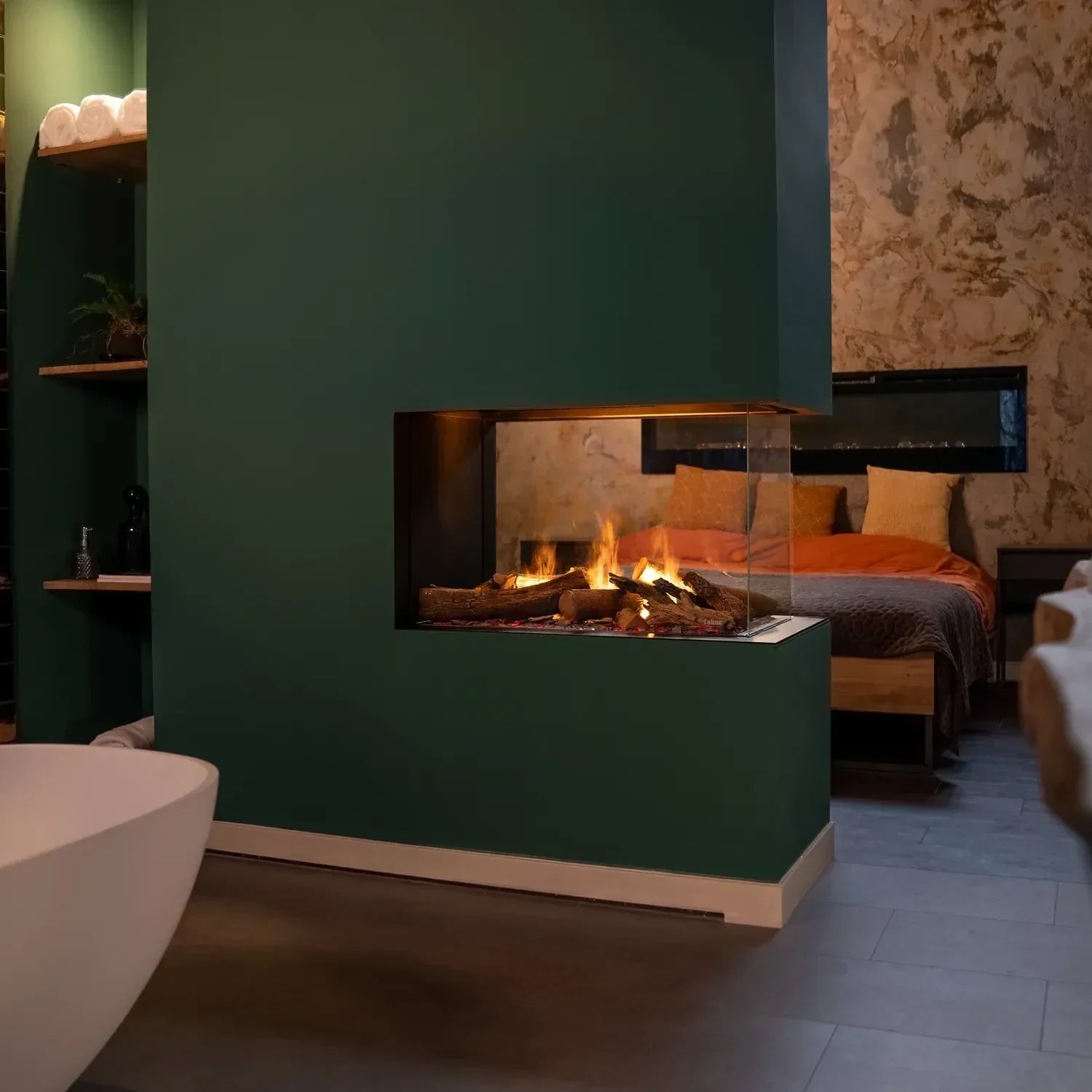
An electric fireplace can be installed by yourself and is relatively straightforward, since it does not require any chimney, vent, or similar setup. If you do not have a nearby standard plug socket, you can have an electrician install one.
The exact installation process varies depending on the model and type of electric fireplace you choose, so always refer to the manufacturer's manual for specific instructions. What follows is a broad guide covering the three things that matter most on any installation, followed by the process for each type of fireplace, ordered from the simplest to the most involved.
1. Know Where the Heat Comes Out
Before deciding on a mounting height, find out where your fireplace discharges its heat. This can be from the top, front, or bottom of the unit. Ensure the area from which the heat is emitted is not obstructed, to maintain proper ventilation and safety.
If the heat is emitted from the bottom, the fireplace should be mounted at least 50 cm above the floor to prevent any risk of heat damage to flooring or nearby objects. If the heat comes from the top or front, the height from the floor is more flexible, allowing you to install it as close to the floor as you'd like, which is ideal for creating a cosy atmosphere in smaller spaces.
With the heater switched off, the unit stays cool to the touch, which is why flame-effect-only mode is safe to run year-round. With the heater running, the outlet grille and the surrounding area become warm, so keep furniture, curtains and rugs clear of the airflow.

2. Check What Your Wall Can Hold
Wall brackets are often included with your new fireplace, but always double-check the manual to confirm what is provided.
Since many electric fireplaces are quite heavy, it is advisable to fix the unit securely to wall studs, or to use appropriate rawl plugs, anchors, or screws designed for your wall type, to ensure safe and stable mounting. This matters most on larger models. Solid masonry, timber studs, metal studs and hollow block all need different fixings, so match the hardware to the wall rather than assuming what comes in the box will suit.
Using the correct mounting hardware will also help reduce vibration and noise, enhancing your overall experience with your new electric fireplace.
3. Sort Out the Power
Most electric fireplaces plug into a standard socket. If no suitable socket exists near your chosen position, a qualified electrician should install one. Avoid running an electric fire from an extension lead or a multi-way adaptor, as a fire on full heat is one of the heavier sustained loads in a typical home.
Plan the socket position before mounting, so the plug ends up concealed behind the unit with enough slack to remove the fireplace for servicing later.
Installing a Free-Standing Electric Fireplace
A freestanding electric fireplace is the simplest to install, as it only needs to be placed on the floor near a standard electrical outlet. These models are highly versatile and can be easily moved to suit your room layout or seasonal needs. Freestanding electric fires come in a variety of styles, including traditional electric stoves that replicate the look of wood-burning stoves, modern designs with sleek lines, and LED fireplaces that provide stunning flame effects.
Some models, especially those featuring MDF suites or fireplace surrounds, may require some assembly. These fireplaces often come with separate components such as the mantel, electric fire unit and decorative panels that need to be carefully assembled. Typically, the process involves securing the fireplace to the MDF suite using screws and brackets supplied by the manufacturer, following the detailed instructions to ensure both stability and safety.
Many freestanding models also come with remote control functionality, allowing you to adjust heat settings and flame effects from the comfort of your sofa, creating a cosy atmosphere with minimal effort.

Installing a Wall-Mounted Electric Fireplace
Wall-mounted electric fireplaces offer a stylish and modern heating solution that suits a variety of room styles and sizes. They are especially popular for homeowners looking to add warmth and ambiance without the need for traditional fireplaces or chimney installations. These units often feature advanced technology such as realistic flame effects and multiple heat settings, which can be controlled via remote control or smartphone apps for added convenience.
Many models also offer flame-effect-only modes, allowing you to enjoy the beautiful flame visuals year-round without using the heating element, making them both energy efficient and cost effective.
Our product range includes various sizes and styles, from slimline models perfect for small spaces to larger panoramic fires ideal for media walls or as a striking focal point in your living space. Brands like British Fires and Dimplex are well-regarded for their quality, realistic flame effects and innovative technology, ensuring you find the perfect electric fire to suit your style and heating needs.

Installing an Electric Fireplace Insert
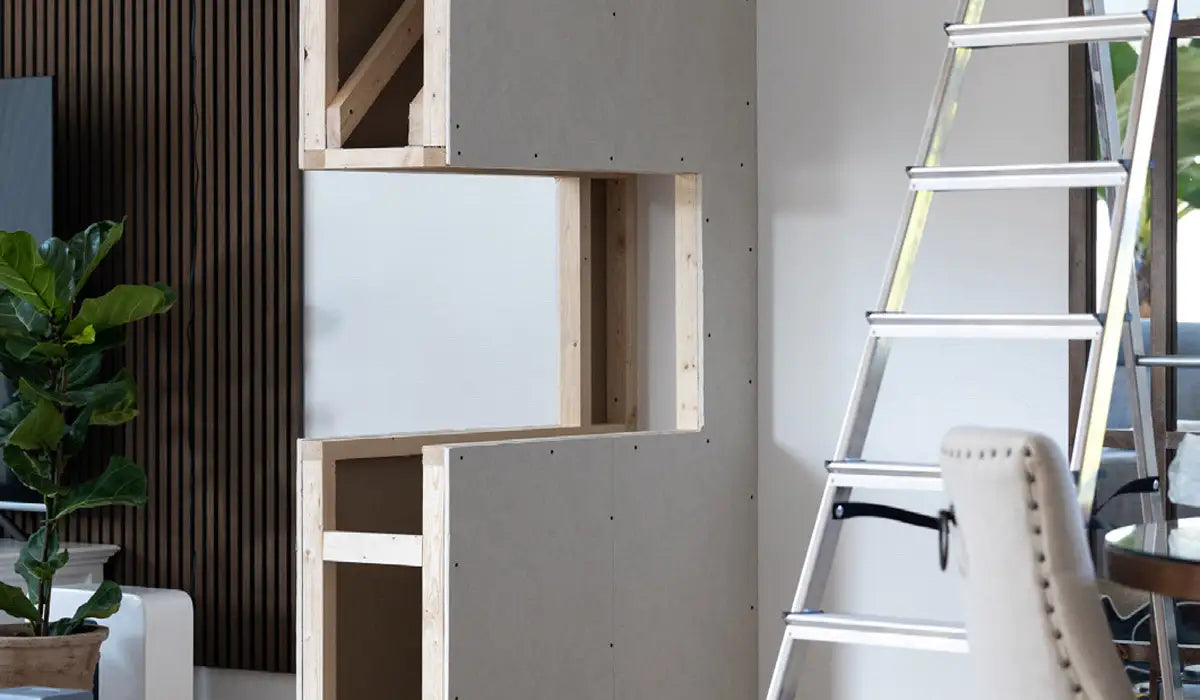
For built-in electric fireplaces, installation usually involves creating a precise opening in the wall or fitting a fireplace suite to accommodate the unit's dimensions. This option is perfect for homeowners looking to integrate an electric fireplace seamlessly into their existing fireplace or media wall setup, combining style and functionality. When cutting the opening, accuracy is crucial. Make the hole only a few millimetres larger than the fireplace to achieve a neat and professional finish that suits your room's style.
Built-in models often feature advanced flame effect technology and multiple heat settings, delivering instant heat and comforting warmth while maintaining energy efficiency. These fireplaces are ideal for creating a stylish centrepiece in your living space without the maintenance or smoke concerns associated with traditional fireplaces or gas fireplaces.
For specific installation guidance tailored to your model, always refer to the manufacturer's installation manual, and consider contacting us or seeking expert advice if you are unsure about structural modifications or electrical work.

Common Mistakes to Avoid
- Mounting a bottom-venting unit too close to the floor.
- Fixing into plasterboard alone instead of into studs or solid structure.
- Using the fixings supplied in the box without checking they suit your wall type.
- Running the fireplace from an extension lead.
- Cutting a recess to the unit's external size rather than its stated recess size.
- Blocking a ventilation gap in order to improve the fit.
- Finishing or plastering around a built-in unit before testing it.
When to Call a Professional
Handle it yourself if you are positioning a freestanding fire near an existing socket, or mounting a modest wall unit onto a wall you understand.
Get help if the unit is heavy or awkward to lift, if the wall construction is uncertain, if structural alteration is involved, or if new fixed wiring is needed. Electrical work of that kind is regulated, and using a qualified electrician also protects your appliance warranty.